



Screws & Fasteners
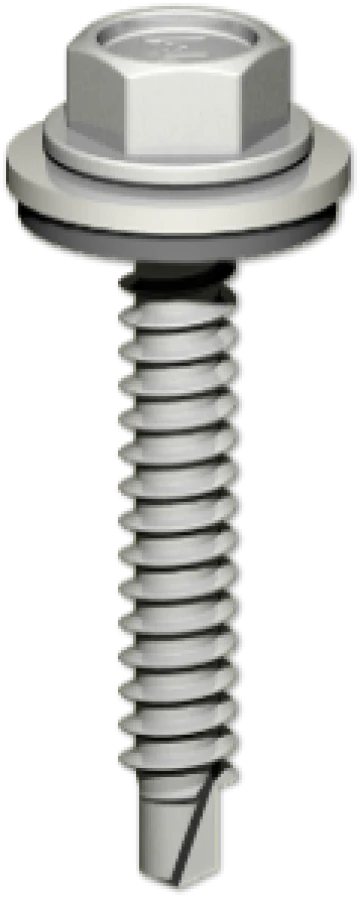
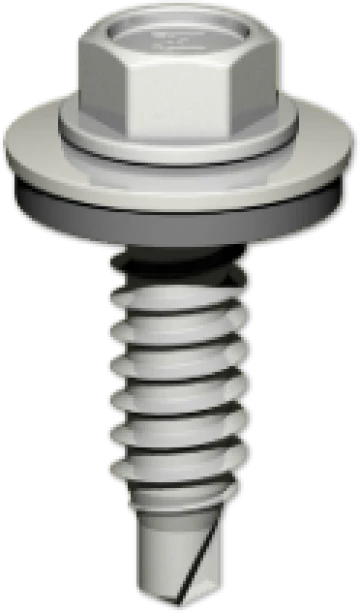
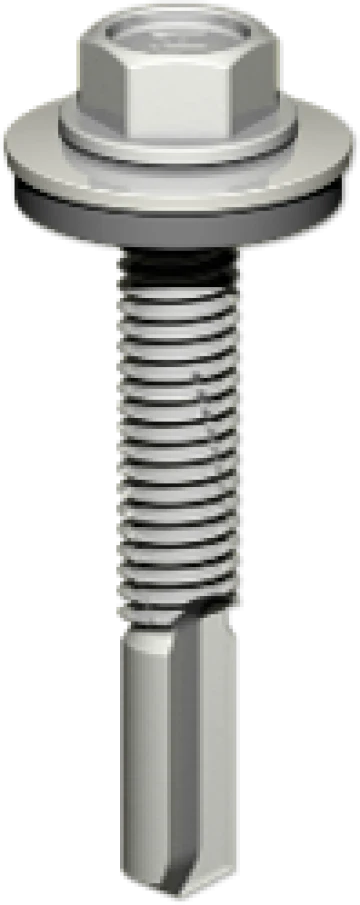
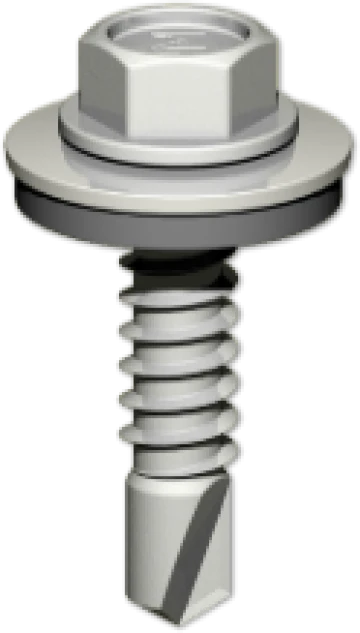
Self-tapping screws for sandwich panels, trapezoidal sheets and edge profiles. Our range includes stainless steel screws for outdoor use and carbon steel screws for indoor applications. All screws are designed to fit our panels and sheets – ensuring a secure, long-lasting fastening.
* plus VAT
Screws by application
Screws for sandwich panels
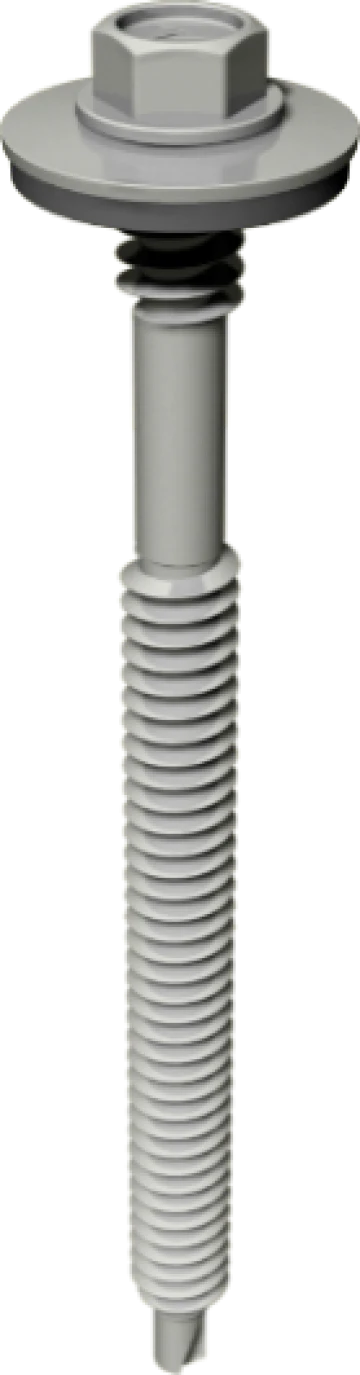
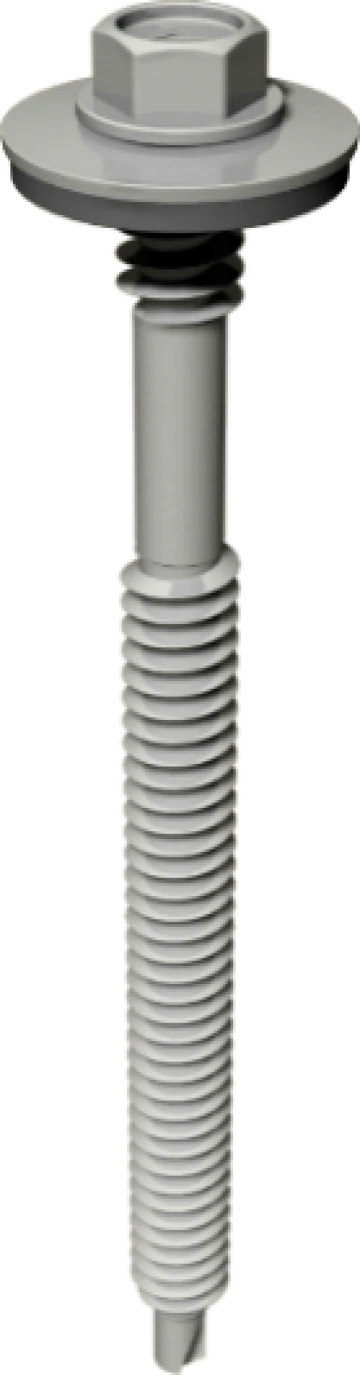
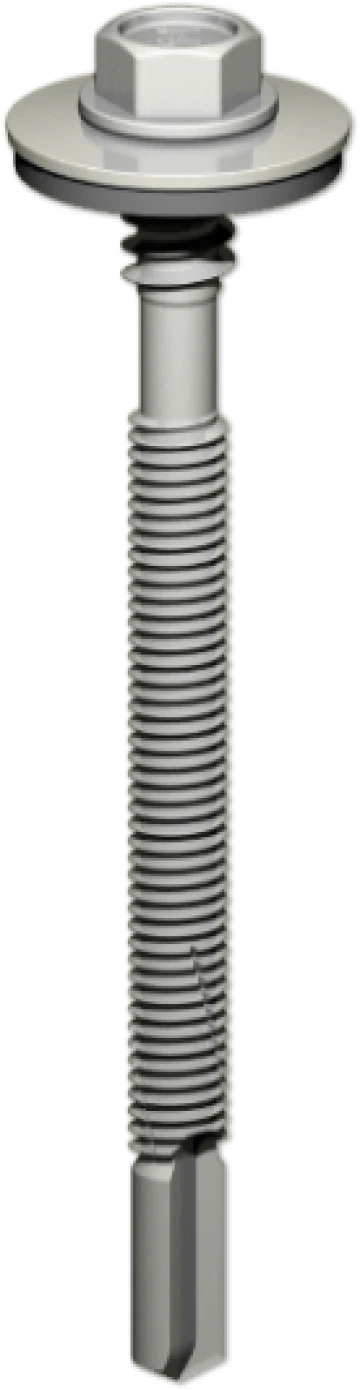
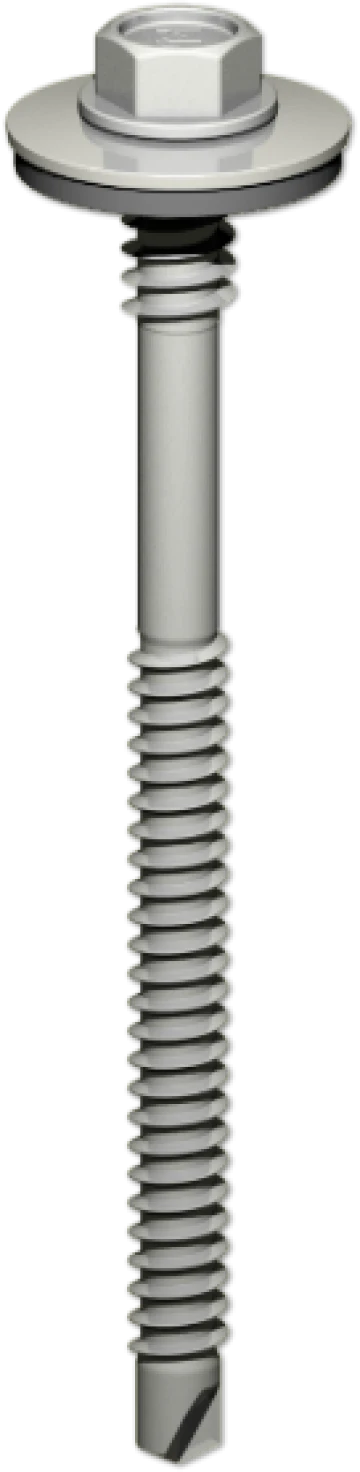
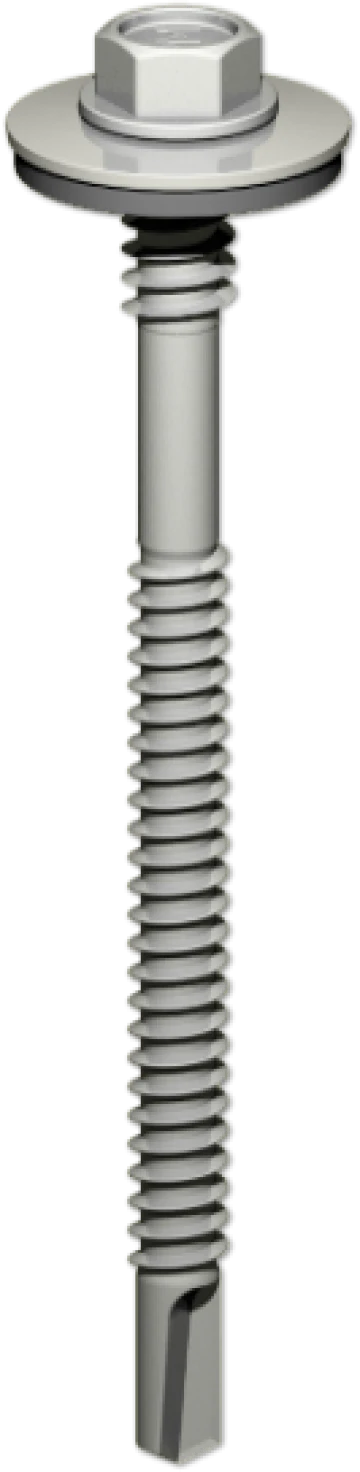
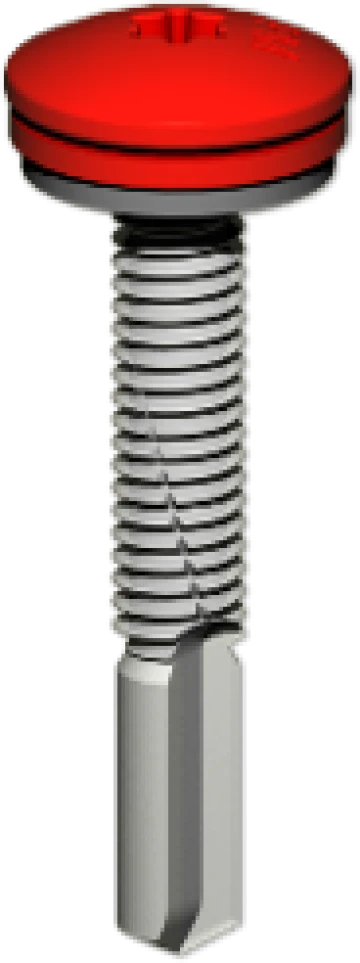
Panel self-tapping screws with safety thread for the installation of roof and wall panels. Available for steel, timber and concrete substructures. The safety thread prevents over-tightening and ensures the correct contact pressure of the sealing washer.
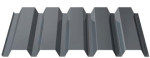
Screws for trapezoidal sheet metal
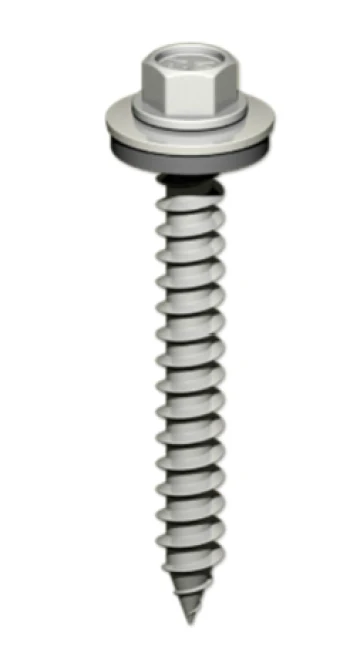
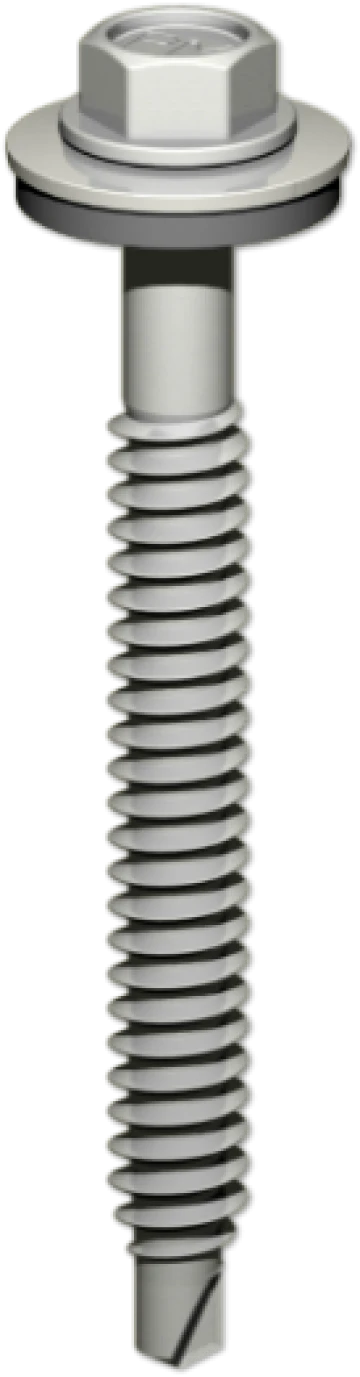
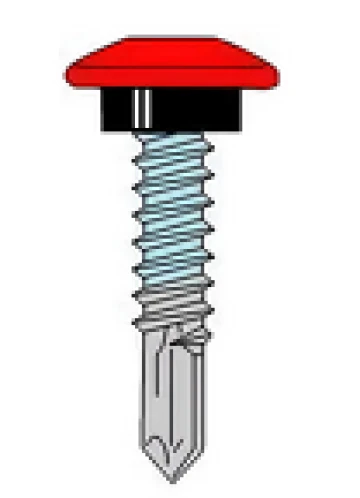
Self-tapping screws for fixing profiled sheets to timber or steel substructures. Also available: connecting screws for sheet-to-sheet joints at overlaps and joints.
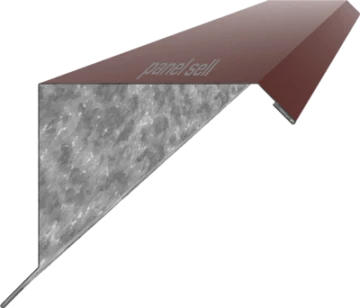
Screws for edge profiles
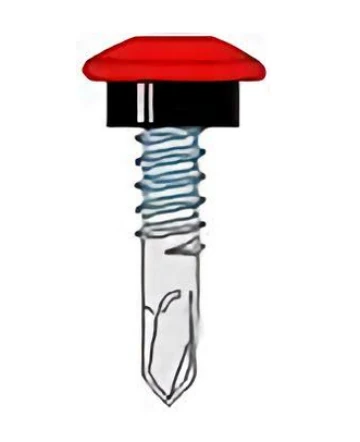
Connecting screws for the installation of fascia panels, valley flashings and moulded parts. Compatible with our edge profiles in all RAL colours.
Stainless steel or carbon steel?
The choice of material depends on the location of use. For outdoor applications, stainless steel is essential – carbon steel screws are not permitted there.
| Property | Carbon steel (galvanised) | Stainless steel (bimetal) |
|---|---|---|
| Outdoor use | No | Yes |
| Indoor use | Yes | Yes |
| Corrosion protection | Galvanised | A4 stainless steel |
| Self-tapping | Yes | Yes |
| Price range | Cheaper | Higher |
Important: Carbon steel screws used outdoors will cause corrosion. The screws will rust, the seal will be compromised, and you risk voiding the warranty on your panels. Use only stainless steel screws for outdoor applications.
Stainless steel screws are designed as bimetallic screws: the head and thread are made of corrosion-resistant A4 stainless steel, whilst the drill tip is made of hardened carbon steel. This combines corrosion protection with good drilling performance.
The right drill bit for your substructure
The drill bit must be suitable for the thickness of the substructure. A bit that is too small will not penetrate the material, whilst one that is too large will create a hole that is too wide.
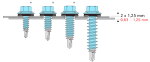
| Drill tip | Sub-frame material thickness | Application |
|---|---|---|
| No. 1 (reduced) | max. 2 × 1.25 mm | Sheet-to-sheet joints |
| No. 2 | 1.2 – 3.5 mm | Lightweight steel sections |
| No. 3 | 1.5 – 6.0 mm | Standard steel sections, purlins |
| No. 5 | 4.0 – 12.5 mm | Heavy-duty steel beams |
| Without drill bit | – | Timber substructure, concrete substructure (pre-drill) |
For timber substructures, use screws without a drill point. The embedment depth in the timber should be at least 50 mm. For concrete, always pre-drill.
How many screws per square metre?
The number of screws required depends on several factors: panel width, number of support points and wind load zone. The following are guide values:
Roof panels:
- 2 screws per standing seam and support point under normal wind loads
- 3 screws for increased wind loads (edge areas, corner areas)
- For a panel width of 1,000 mm and a purlin spacing of 2 m: approx. 3–4 screws/m²
Wall panels:
- 2 screws per support point for standard installation
- For concealed fixing: 1 screw per support (in the groove)
- For a panel width of 1,000 mm and a stud spacing of 2 m: approx. 2–3 screws/m²
For an accurate calculation, please contact our sales team – we take into account wind load, building height and installation conditions.
What is a safety thread?
Panel screws for sandwich panels have a special safety thread. This thread prevents the screw from being overtightened when driven in.
With conventional screws, there is a risk that excessive torque will compress the sealing washer or strip the thread in the substrate. The result: a leaky joint or a loose fastening.
The safety thread solves this problem. It creates a noticeable resistance once the correct clamping force is reached. The fitter can immediately tell when the screw is tight enough. The result is a consistent sealing effect for every screw.
Frequently asked questions about screws & fastenings
No, sandwich panels require special panel screws with a longer shank and a safety thread. The screw length must match the panel thickness. Trapezoidal sheet metal screws are too short and do not have a safety thread.
The screw length depends on the panel thickness plus the anchoring depth in the substructure. For steel substructures, the screw must penetrate at least 3 threads. For timber substructures, at least 50 mm. Example: 60 mm panel + 15 mm anchorage = screw approx. 80 mm.
Yes, many of our screws are available with colour-coordinated heads. This ensures the screw heads blend in visually with the panel surface. Please enquire about available colours when placing your order.
Store screws in a dry place, protected from moisture. Even stainless steel screws should not be stored in wet conditions for long periods. The original packaging provides the best protection.